The Global Supply Chain Reboot
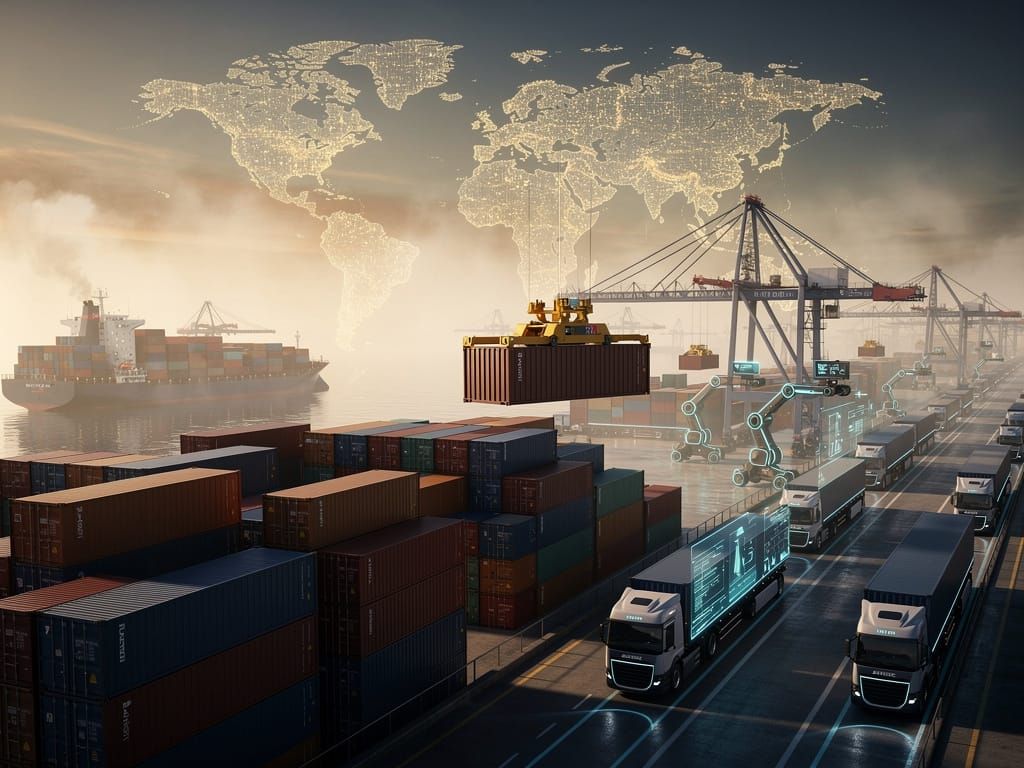
TL;DR
- The old 'just-in-time' supply chain model is history. Businesses are now embracing a 'just-in-case' approach, prioritizing stability over pure, breakneck efficiency.
- 'Nearshoring' and 'friend-shoring' are the new buzzwords. Companies are moving production closer to home or to allied nations, which is a massive shift you need to have on your radar.
- This entire reboot is fueled by tech. Think automation, AI-powered logistics, and advanced manufacturing. That's where some of the biggest investment opportunities are hiding in plain sight.
Let's Talk About Why Everything Felt Broken
Remember a few years ago when you couldn't find toilet paper, a new car, or even your favorite brand of pasta? It felt like the world's delivery system just... stopped. For decades, we were all running on a super-lean, hyper-efficient model called 'just-in-time' manufacturing. The idea was simple: a company would order parts to arrive exactly when they were needed for assembly, cutting down on storage costs. It was a beautiful, intricate dance, but it was also incredibly fragile.
When one part of that chain snapped - whether it was a factory shutdown, a port clog-up, or a ship getting stuck in a canal - the whole thing fell apart. We all learned the hard way that a system built for maximum efficiency has zero room for error. It's like building a race car for a perfect track; it's amazing until it hits a single pothole. This wasn't just an inconvenience; it was a wake-up call for every CEO and investor on the planet. The game has fundamentally changed.
The New Playbook: Resilience is the Name of the Game
So, what's the fix? Businesses are throwing out the old playbook and writing a new one centered on one word: resilience. They're shifting from that fragile 'just-in-time' model to a much more robust 'just-in-case' strategy. It means they're willing to spend a little more to make sure they're never caught flat-footed again. It's about building a system that can take a punch and keep going.
This isn't just about stocking up on more inventory, though that's part of it. It's a complete rethinking of where and how things are made. The focus is now on creating a more diversified, less concentrated supply network. Here's what that looks like in practice:
- Moving Production Closer: This is 'nearshoring' - bringing manufacturing back to your home country or a neighboring one. It might cost more in labor, but it drastically cuts down on shipping times and geopolitical risks.
- Sourcing from Allies: They're calling this 'friend-shoring.' Instead of relying on a single, potentially unstable country for a key component, companies are spreading their bets across multiple, politically stable partner nations.
- Investing in Visibility: Companies are pouring money into technology that gives them a real-time view of their entire supply chain, from the raw material supplier to the final delivery truck. This helps them spot potential problems before they become full-blown crises.
Where You Can Find the Opportunity in This Shift
Okay, let's get to the part you're here for. How does this massive, once-in-a-generation shift translate into opportunities for your portfolio? When you see this much disruption and investment happening, you've got to look for the 'picks and shovels' - the companies providing the tools for this global reconstruction. It's not always about betting on the big brand that's moving its factory; it's about betting on the companies that help them do it.
Think about the sectors that are directly powering this reboot. We're talking about industrial automation and robotics, as companies look to make their new, local factories more efficient. Look at logistics and supply chain management software, especially those using AI to predict disruptions. There are also huge opportunities in advanced manufacturing, semiconductor production (especially in the US and Europe), and even the raw materials needed to build all this new infrastructure. This isn't a short-term trend; it's a multi-decade realignment of global trade, and getting in early on the right sectors could be transformative.
Look, it's easy to see all this change and feel a bit overwhelmed. But I want you to reframe it. This isn't just a story about fixing a broken system. It's the blueprint for a new era of global commerce-one that's smarter, stronger, and more localized. For the savvy investor and business owner, this reboot isn't a problem to be solved; it's an incredible landscape of opportunity just waiting to be explored.