The New Geopolitics of Critical Global Resources
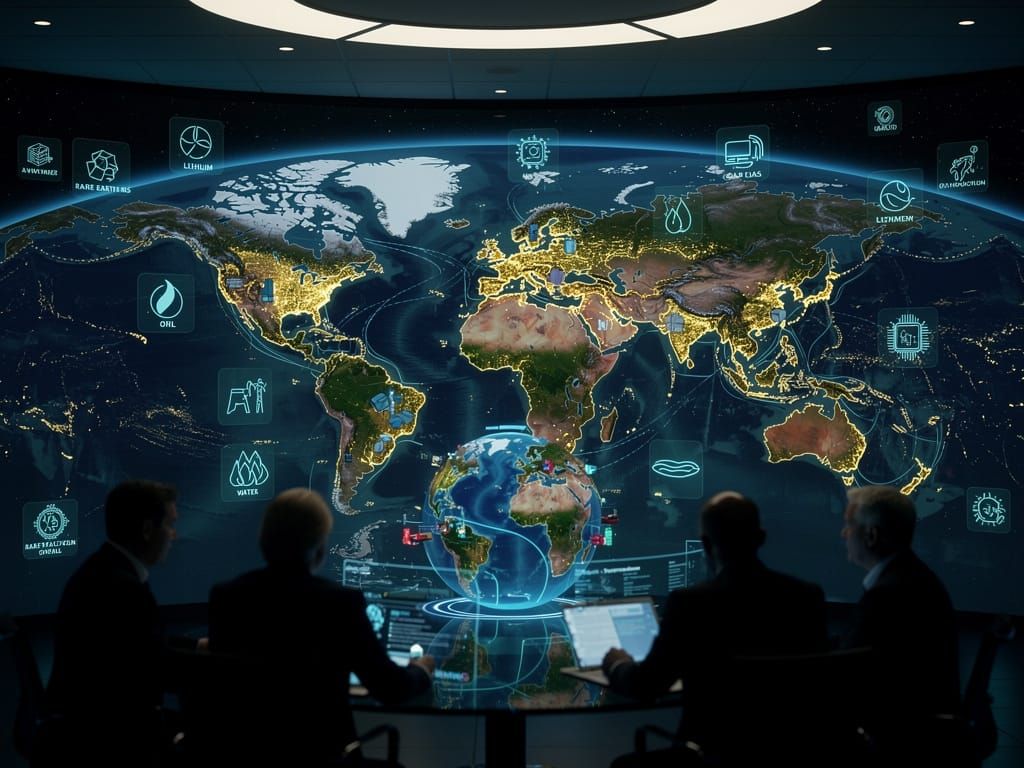
Hey, let's chat for a minute. It feels like the world is constantly shifting under our feet, doesn't it? One of the biggest, quietest shifts happening right now is a massive global tug-of-war. It's not over armies or borders in the traditional sense, but over the stuff that makes our modern world run: critical resources.
And I'm not just talking about oil anymore. Think about the guts of your smartphone, the battery in an electric car, or the chips that power, well, everything. The fight for the materials that build our future is redrawing the economic map, and honestly, it has a direct line to your investment portfolio. So let's break it down, friend to friend.
Why the Playing Field Looks So Different Now
It used to be a simpler game. A few big countries controlled the flow of major commodities. But that's all changed, and it's happened faster than a lot of people realize. Here’s what’s stirring the pot:
- The Tech Revolution's Appetite: Every single piece of modern technology is hungry for specific, often rare, materials. We're talking about lithium for batteries, cobalt for electronics, and a whole family of 'rare earth' elements you've probably never heard of but use every day.
- The Green Energy Push: This is a huge one. Building a wind turbine or a solar panel isn't magic-it takes a tremendous amount of copper, nickel, and other specialized minerals. As we push for a greener planet, the demand for these resources is just going to skyrocket.
- Painfully Fragile Supply Chains: If the last few years taught us anything, it’s that a single snag in a supply chain on the other side of the world can mean empty shelves right here at home. Countries have woken up and are now scrambling to secure their own supplies, making the whole system a lot more competitive.
The Key Players and Their Strategies
So, who's making moves on this new global chessboard? It's not just the usual suspects. The game has new power brokers, and understanding their goals is key.
China's Decades-Long Plan
China saw this coming a long, long time ago. They weren't just focused on getting resources out of the ground; they were focused on controlling the next step-the processing. Here's their playbook:
- Processing Powerhouse: They control a huge percentage of the world's refining capacity for things like lithium and cobalt. This means even if a mineral is mined in Australia or Africa, it often has to go through China before it ends up in your products.
- Global Investments: Through initiatives like the 'Belt and Road', they've invested billions in resource-rich countries, securing long-term contracts and building influence across Africa and South America.
The West's Scramble to Catch Up
The U.S. and Europe are, frankly, playing catch-up. They're realizing that being dependent on geopolitical rivals for essential materials is a massive economic and national security risk. Their response is taking shape:
- 'Friend-Shoring': You'll hear this term a lot. It means moving supply chains away from rivals and toward allied, friendly nations. It's about building a more reliable, if sometimes more expensive, network.
- Domestic Investment: We're seeing big government pushes, like the CHIPS Act in the U.S., to bring manufacturing and processing of things like semiconductors back home. It's a slow and expensive process, but the intention is clear.
The New Kingmakers
The real story might be the countries that actually have these resources in the ground. Nations in South America's 'Lithium Triangle' (Argentina, Bolivia, Chile) or the Democratic Republic of Congo (home to most of the world's cobalt) are suddenly in an incredible position of power. They can now negotiate much better deals and play the world's superpowers off each other.
How This All Connects to Your Wallet
Okay, so this is a fascinating global drama, but what does it mean for your financial plan? It's not just abstract news; it's a real-world factor you should be thinking about.
- Look Under the Hood of Your Investments: Do you know where the companies in your portfolio get their stuff? A company that's 100% reliant on a single, fragile supply chain is carrying a risk you should be aware of. Diversification isn't just about different stocks; it's also about different geopolitical risks.
- Spotting the New Opportunities: This disruption creates winners. Think about companies involved in recycling critical minerals, developing new mining tech that's more efficient, or firms that are building the new 'friend-shored' factories. That's where a lot of growth could be.
- Volatility is the New Norm: Expect more price swings in everything from copper to lithium. When supply chains get tight and political, prices get jumpy. Being mentally prepared for this helps you avoid making reactive, emotional decisions with your money.
Look, nobody has a crystal ball. But you don't need one. Just by understanding these big currents shaping our world, you're putting yourself in a much smarter, more resilient position. It's not about being scared of the headlines; it's about being informed enough to see the opportunities they create. You've got this.